
Exercise Selection Algorithms with Equipment Constraints
Introduction
Building a fitness application that recommends exercises sounds straightforward until you encounter the complexity of real-world constraints. A user wants to build upper body strength, but they’re working out at home with only dumbbells and a pull-up bar. Another user has access to a full gym but is recovering from a knee injury. How do you recommend exercises that are both effective and actually possible for each user?
This is a constraint satisfaction problem at its core - we need to find exercises that simultaneously satisfy multiple requirements: available equipment, targeted muscle groups, user fitness level, and personal preferences. Unlike simple filtering, effective exercise selection requires balancing competing objectives and learning from user feedback over time.
In this article, we’ll build an intelligent exercise selection system that handles equipment constraints, balances muscle group coverage, and personalizes recommendations using machine learning. The techniques apply broadly to any recommendation system with hard constraints and soft preferences.
Modeling the exercise domain
Before building algorithms, we need a solid data model. A well-designed schema captures the relationships between exercises, equipment, and muscle groups.
Database schema design
-- Core exercise catalogCREATE TABLE exercises (    id SERIAL PRIMARY KEY,    name VARCHAR(100) NOT NULL,    description TEXT,    difficulty_level INTEGER CHECK (difficulty_level BETWEEN 1 AND 5),    movement_pattern VARCHAR(50),  -- 'push', 'pull', 'hinge', 'squat', 'carry'    is_compound BOOLEAN DEFAULT false,    calories_per_minute DECIMAL(4,2));
-- Equipment available in the systemCREATE TABLE equipment (    id SERIAL PRIMARY KEY,    name VARCHAR(100) NOT NULL,    category VARCHAR(50),  -- 'free_weights', 'machines', 'cables', 'bodyweight'    is_common_home BOOLEAN DEFAULT false);
-- Many-to-many: exercises require equipmentCREATE TABLE exercise_equipment (    exercise_id INTEGER REFERENCES exercises(id),    equipment_id INTEGER REFERENCES equipment(id),    is_required BOOLEAN DEFAULT true,  -- false = optional/alternative    PRIMARY KEY (exercise_id, equipment_id));
-- Muscle groups with hierarchyCREATE TABLE muscle_groups (    id SERIAL PRIMARY KEY,    name VARCHAR(50) NOT NULL,    parent_id INTEGER REFERENCES muscle_groups(id),    body_region VARCHAR(20)  -- 'upper', 'lower', 'core');
-- Many-to-many: exercises target musclesCREATE TABLE exercise_muscles (    exercise_id INTEGER REFERENCES exercises(id),    muscle_group_id INTEGER REFERENCES muscle_groups(id),    activation_level VARCHAR(10),  -- 'primary', 'secondary', 'stabilizer'    PRIMARY KEY (exercise_id, muscle_group_id));
-- User profiles and their equipmentCREATE TABLE users (    id SERIAL PRIMARY KEY,    fitness_level INTEGER CHECK (fitness_level BETWEEN 1 AND 5),    primary_goal VARCHAR(50)  -- 'strength', 'hypertrophy', 'endurance', 'weight_loss');
CREATE TABLE user_equipment (    user_id INTEGER REFERENCES users(id),    equipment_id INTEGER REFERENCES equipment(id),    PRIMARY KEY (user_id, equipment_id));
-- Track exercise history for personalizationCREATE TABLE exercise_history (    id SERIAL PRIMARY KEY,    user_id INTEGER REFERENCES users(id),    exercise_id INTEGER REFERENCES exercises(id),    performed_at TIMESTAMP DEFAULT CURRENT_TIMESTAMP,    sets_completed INTEGER,    rating INTEGER CHECK (rating BETWEEN 1 AND 5)  -- user satisfaction);
This schema captures the essential relationships: exercises require equipment, target muscle groups with varying intensity, and users have both equipment access and workout history.
💡 Pro Tip: The
is_requiredflag inexercise_equipmentallows modeling alternatives - a chest press can be done with a barbell OR dumbbells, not necessarily both.
Equipment constraint filtering
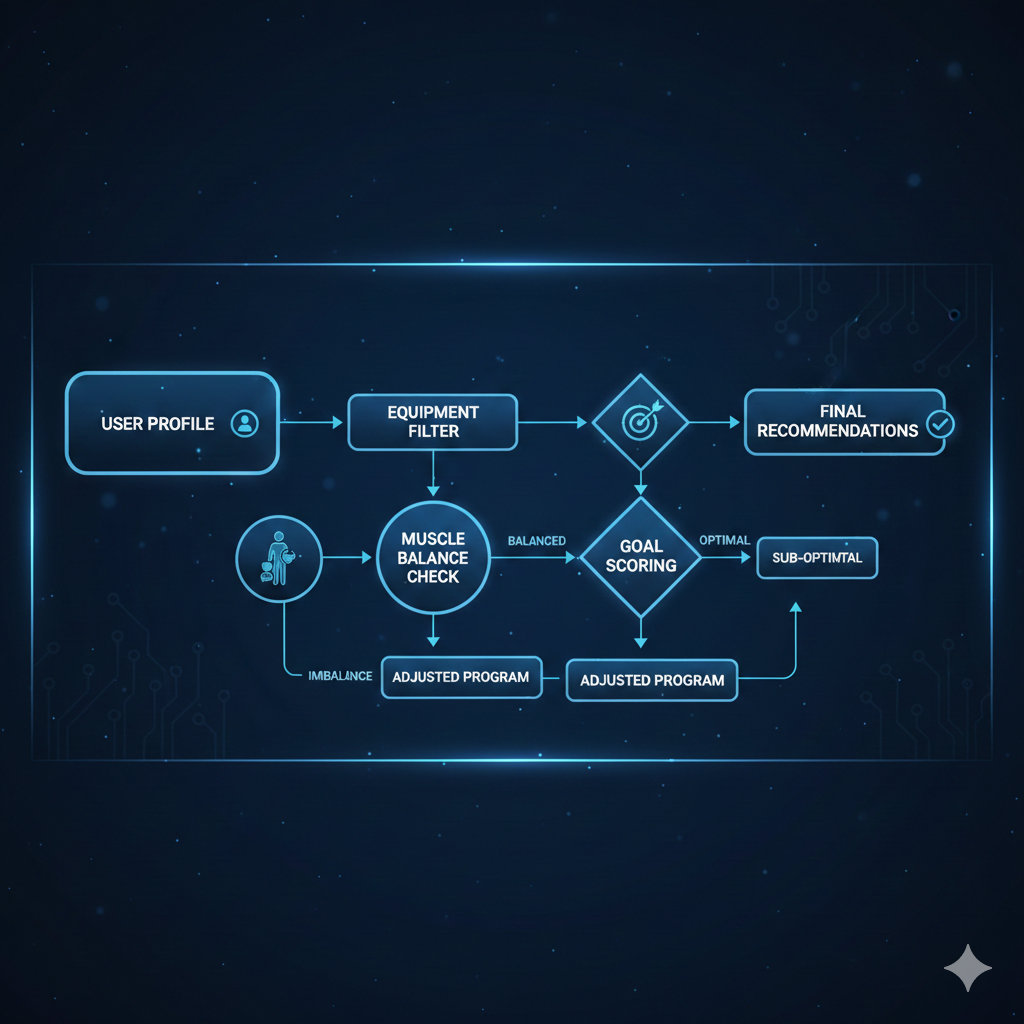
The first layer of our selection algorithm handles hard constraints. If a user doesn’t have a barbell, they simply cannot do barbell squats - no amount of scoring can change that.
Building the equipment filter
from dataclasses import dataclassfrom typing import Set, Listimport psycopg2from psycopg2.extras import RealDictCursor
@dataclassclass Exercise:    id: int    name: str    difficulty_level: int    movement_pattern: str    is_compound: bool    required_equipment: Set[int]    optional_equipment: Set[int]    primary_muscles: Set[int]    secondary_muscles: Set[int]
class ExerciseRepository:    def __init__(self, db_connection):        self.conn = db_connection
    def get_all_exercises(self) -> List[Exercise]:        """Load exercises with their equipment and muscle requirements."""        with self.conn.cursor(cursor_factory=RealDictCursor) as cur:            # Get base exercise data            cur.execute("""                SELECT id, name, difficulty_level, movement_pattern, is_compound                FROM exercises            """)            exercises_data = {row['id']: row for row in cur.fetchall()}
            # Get equipment requirements            cur.execute("""                SELECT exercise_id, equipment_id, is_required                FROM exercise_equipment            """)            for row in cur.fetchall():                ex_id = row['exercise_id']                if ex_id not in exercises_data:                    continue                if 'required_equipment' not in exercises_data[ex_id]:                    exercises_data[ex_id]['required_equipment'] = set()                    exercises_data[ex_id]['optional_equipment'] = set()
                if row['is_required']:                    exercises_data[ex_id]['required_equipment'].add(row['equipment_id'])                else:                    exercises_data[ex_id]['optional_equipment'].add(row['equipment_id'])
            # Get muscle targets            cur.execute("""                SELECT exercise_id, muscle_group_id, activation_level                FROM exercise_muscles            """)            for row in cur.fetchall():                ex_id = row['exercise_id']                if ex_id not in exercises_data:                    continue                if 'primary_muscles' not in exercises_data[ex_id]:                    exercises_data[ex_id]['primary_muscles'] = set()                    exercises_data[ex_id]['secondary_muscles'] = set()
                if row['activation_level'] == 'primary':                    exercises_data[ex_id]['primary_muscles'].add(row['muscle_group_id'])                else:                    exercises_data[ex_id]['secondary_muscles'].add(row['muscle_group_id'])
            return [                Exercise(                    id=data['id'],                    name=data['name'],                    difficulty_level=data['difficulty_level'],                    movement_pattern=data.get('movement_pattern'),                    is_compound=data.get('is_compound', False),                    required_equipment=data.get('required_equipment', set()),                    optional_equipment=data.get('optional_equipment', set()),                    primary_muscles=data.get('primary_muscles', set()),                    secondary_muscles=data.get('secondary_muscles', set())                )                for data in exercises_data.values()            ]
def filter_by_equipment(    exercises: List[Exercise],    available_equipment: Set[int]) -> List[Exercise]:    """    Filter exercises to only those possible with available equipment.
    An exercise is possible if ALL required equipment is available.    Optional equipment may enhance the exercise but isn't necessary.    """    valid_exercises = []
    for exercise in exercises:        # Check if all required equipment is available        if exercise.required_equipment.issubset(available_equipment):            valid_exercises.append(exercise)
    return valid_exercises
This filter performs a simple but crucial check: an exercise passes only if every piece of required equipment is available. The issubset operation handles this elegantly.
Handling equipment alternatives
Real fitness applications need smarter equipment handling. A user might be able to substitute a barbell bench press with dumbbells or even a push-up.
from typing import Dict, List, Set
# Equipment substitution rulesEQUIPMENT_ALTERNATIVES: Dict[int, List[Set[int]]] = {    # Barbell (id=1) can be replaced by dumbbells (id=2) for many exercises    1: [{2}],    # Cable machine (id=5) can be replaced by resistance bands (id=6)    5: [{6}],    # Bench (id=3) can be replaced by stability ball (id=7) or floor    3: [{7}, set()],  # empty set = bodyweight alternative}
def filter_with_alternatives(    exercises: List[Exercise],    available_equipment: Set[int],    alternatives: Dict[int, List[Set[int]]] = EQUIPMENT_ALTERNATIVES) -> List[Exercise]:    """    Filter exercises considering equipment substitutions.
    Returns exercises where required equipment is available OR    a valid alternative combination exists.    """    valid_exercises = []
    for exercise in exercises:        if exercise.required_equipment.issubset(available_equipment):            valid_exercises.append(exercise)            continue
        # Check if alternatives can fill the gap        missing = exercise.required_equipment - available_equipment
        can_substitute = True        for missing_equip in missing:            if missing_equip not in alternatives:                can_substitute = False                break
            # Check if any alternative set is available            alt_available = any(                alt_set.issubset(available_equipment)                for alt_set in alternatives[missing_equip]            )            if not alt_available:                can_substitute = False                break
        if can_substitute:            valid_exercises.append(exercise)
    return valid_exercises
Muscle group balancing
After filtering for equipment, we need to ensure workout balance. A good workout plan shouldn’t have five chest exercises and nothing for the back - that creates imbalances and increases injury risk.
Coverage scoring algorithm
from collections import defaultdictfrom typing import List, Dict, Tupleimport numpy as np
@dataclassclass MuscleGroupTarget:    muscle_id: int    name: str    target_sets: int  # weekly target    current_sets: int = 0
class MuscleBalancer:    """Ensures balanced muscle group coverage in exercise selection."""
    # Recommended weekly sets by muscle group for hypertrophy    DEFAULT_TARGETS = {        'chest': 12,        'back': 15,        'shoulders': 12,        'biceps': 9,        'triceps': 9,        'quadriceps': 12,        'hamstrings': 10,        'glutes': 10,        'calves': 8,        'core': 10,    }
    def __init__(self, muscle_targets: Dict[str, int] = None):        self.targets = muscle_targets or self.DEFAULT_TARGETS
    def calculate_coverage_score(        self,        selected_exercises: List[Exercise],        candidate: Exercise,        sets_per_exercise: int = 3    ) -> float:        """        Score how well adding a candidate exercise improves muscle coverage.
        Higher scores indicate the exercise fills gaps in current coverage.        Lower scores indicate redundant muscle targeting.        """        # Calculate current coverage from selected exercises        current_coverage = defaultdict(int)        for ex in selected_exercises:            for muscle_id in ex.primary_muscles:                current_coverage[muscle_id] += sets_per_exercise            for muscle_id in ex.secondary_muscles:                current_coverage[muscle_id] += sets_per_exercise * 0.5
        # Calculate what candidate would add        candidate_contribution = defaultdict(float)        for muscle_id in candidate.primary_muscles:            candidate_contribution[muscle_id] = sets_per_exercise        for muscle_id in candidate.secondary_muscles:            candidate_contribution[muscle_id] = sets_per_exercise * 0.5
        # Score based on how much candidate fills gaps vs adds redundancy        score = 0.0        for muscle_id, contribution in candidate_contribution.items():            current = current_coverage.get(muscle_id, 0)            target = self.targets.get(muscle_id, 10)
            if current < target:                # Reward filling gaps (diminishing returns near target)                gap = target - current                filled = min(contribution, gap)                score += filled * (gap / target)  # higher weight for bigger gaps            else:                # Penalize over-targeting (but don't go negative)                score -= contribution * 0.3
        return max(0, score)
    def get_coverage_report(        self,        selected_exercises: List[Exercise],        sets_per_exercise: int = 3    ) -> Dict[str, Tuple[int, int, float]]:        """        Generate a coverage report showing current vs target sets.
        Returns dict of {muscle_name: (current_sets, target_sets, percentage)}        """        coverage = defaultdict(int)        for ex in selected_exercises:            for muscle_id in ex.primary_muscles:                coverage[muscle_id] += sets_per_exercise            for muscle_id in ex.secondary_muscles:                coverage[muscle_id] += int(sets_per_exercise * 0.5)
        report = {}        for muscle_name, target in self.targets.items():            current = coverage.get(muscle_name, 0)            percentage = (current / target * 100) if target > 0 else 0            report[muscle_name] = (current, target, percentage)
        return report
The coverage score uses a key insight: filling gaps is more valuable than adding to already-covered muscles. A workout with 15 chest sets and 0 back sets desperately needs a back exercise, even if another chest exercise would score higher on other metrics.
Relevance scoring and ranking
With feasible exercises identified and balance considered, we need to rank exercises by relevance to the user’s goals. This is where machine learning enhances traditional filtering.
Multi-factor scoring system
from dataclasses import dataclassfrom typing import List, Dict, Optionalimport numpy as np
@dataclassclass UserProfile:    user_id: int    fitness_level: int  # 1-5    primary_goal: str  # 'strength', 'hypertrophy', 'endurance', 'weight_loss'    available_equipment: Set[int]    exercise_history: Dict[int, float]  # exercise_id -> avg_rating    workout_frequency: int  # days per week
class ExerciseScorer:    """Score and rank exercises based on user profile and goals."""
    # Goal-specific weights for different exercise attributes    GOAL_WEIGHTS = {        'strength': {            'compound_bonus': 2.0,            'difficulty_match': 1.5,            'volume_preference': 'low',  # fewer reps, heavier weight        },        'hypertrophy': {            'compound_bonus': 1.5,            'difficulty_match': 1.0,            'volume_preference': 'moderate',        },        'endurance': {            'compound_bonus': 0.5,            'difficulty_match': 0.5,            'volume_preference': 'high',        },        'weight_loss': {            'compound_bonus': 1.8,  # compound movements burn more calories            'difficulty_match': 0.8,            'volume_preference': 'high',        },    }
    def score_exercise(        self,        exercise: Exercise,        user: UserProfile,        muscle_balance_score: float,        novelty_weight: float = 0.3    ) -> float:        """        Calculate composite score for an exercise given user profile.
        Combines:        - Goal alignment (compound vs isolation, difficulty)        - Muscle balance contribution        - User history (ratings, novelty)        - Difficulty appropriateness        """        goal_config = self.GOAL_WEIGHTS.get(user.primary_goal, self.GOAL_WEIGHTS['hypertrophy'])
        scores = []        weights = []
        # 1. Goal alignment score        goal_score = 0.0        if exercise.is_compound:            goal_score += goal_config['compound_bonus']        else:            goal_score += 0.5  # isolation exercises still valuable        scores.append(goal_score)        weights.append(0.25)
        # 2. Difficulty match score        difficulty_diff = abs(exercise.difficulty_level - user.fitness_level)        difficulty_score = max(0, 5 - difficulty_diff) / 5.0        difficulty_score *= goal_config['difficulty_match']        scores.append(difficulty_score)        weights.append(0.20)
        # 3. Muscle balance score (from MuscleBalancer)        scores.append(muscle_balance_score)        weights.append(0.30)
        # 4. User history score        history_score = self._calculate_history_score(exercise, user, novelty_weight)        scores.append(history_score)        weights.append(0.25)
        # Weighted combination        total_score = sum(s * w for s, w in zip(scores, weights))
        return total_score
    def _calculate_history_score(        self,        exercise: Exercise,        user: UserProfile,        novelty_weight: float    ) -> float:        """        Balance user preferences with exercise variety.
        High-rated exercises get a boost, but we also reward novelty        to prevent repetitive workouts.        """        if exercise.id in user.exercise_history:            # User has done this exercise before            avg_rating = user.exercise_history[exercise.id]            rating_score = avg_rating / 5.0  # normalize to 0-1
            # Apply novelty penalty (done recently = lower novelty)            novelty_score = 0.3  # base novelty for known exercises        else:            # New exercise - no rating but high novelty            rating_score = 0.6  # neutral-positive assumption            novelty_score = 1.0
        # Combine rating preference with novelty seeking        return (rating_score * (1 - novelty_weight)) + (novelty_score * novelty_weight)
    def rank_exercises(        self,        exercises: List[Exercise],        user: UserProfile,        balancer: MuscleBalancer,        selected: List[Exercise] = None,        top_k: int = 10    ) -> List[Tuple[Exercise, float]]:        """        Rank exercises by composite score, returning top K.        """        selected = selected or []        scored = []
        for exercise in exercises:            balance_score = balancer.calculate_coverage_score(selected, exercise)            total_score = self.score_exercise(exercise, user, balance_score)            scored.append((exercise, total_score))
        # Sort by score descending        scored.sort(key=lambda x: x[1], reverse=True)
        return scored[:top_k]
This scorer combines multiple signals into a single ranking. The weights can be tuned based on user research or A/B testing results.
Personalization with machine learning
The scoring system above uses hand-crafted weights. For better personalization, we can learn optimal weights from user behavior using scikit-learn.
Learning from user feedback
from sklearn.ensemble import GradientBoostingRegressorfrom sklearn.preprocessing import StandardScalerfrom sklearn.model_selection import train_test_splitimport numpy as npfrom typing import List, Tupleimport pickle
class PersonalizedExerciseRanker:    """    Learn personalized exercise preferences from user history.
    Features: exercise attributes + user profile    Target: user rating (1-5) or completion rate    """
    def __init__(self):        self.model = GradientBoostingRegressor(            n_estimators=100,            max_depth=4,            learning_rate=0.1,            random_state=42        )        self.scaler = StandardScaler()        self.is_trained = False
    def extract_features(        self,        exercise: Exercise,        user: UserProfile    ) -> np.ndarray:        """        Convert exercise + user context into feature vector.        """        features = [            # Exercise attributes            exercise.difficulty_level,            1 if exercise.is_compound else 0,            len(exercise.primary_muscles),            len(exercise.secondary_muscles),            len(exercise.required_equipment),
            # User context            user.fitness_level,            1 if user.primary_goal == 'strength' else 0,            1 if user.primary_goal == 'hypertrophy' else 0,            1 if user.primary_goal == 'endurance' else 0,            1 if user.primary_goal == 'weight_loss' else 0,            user.workout_frequency,
            # Interaction features            abs(exercise.difficulty_level - user.fitness_level),            1 if exercise.id in user.exercise_history else 0,            user.exercise_history.get(exercise.id, 3.0),  # default neutral rating        ]
        return np.array(features)
    def train(        self,        training_data: List[Tuple[Exercise, UserProfile, float]]    ) -> Dict[str, float]:        """        Train the model on historical exercise ratings.
        Args:            training_data: List of (exercise, user, rating) tuples
        Returns:            Training metrics (R2 score, MSE)        """        X = np.array([            self.extract_features(ex, user)            for ex, user, _ in training_data        ])        y = np.array([rating for _, _, rating in training_data])
        X_train, X_test, y_train, y_test = train_test_split(            X, y, test_size=0.2, random_state=42        )
        # Scale features        X_train_scaled = self.scaler.fit_transform(X_train)        X_test_scaled = self.scaler.transform(X_test)
        # Train model        self.model.fit(X_train_scaled, y_train)        self.is_trained = True
        # Evaluate        train_score = self.model.score(X_train_scaled, y_train)        test_score = self.model.score(X_test_scaled, y_test)
        return {            'train_r2': train_score,            'test_r2': test_score,            'feature_importance': dict(zip(                self._feature_names(),                self.model.feature_importances_            ))        }
    def predict_rating(        self,        exercise: Exercise,        user: UserProfile    ) -> float:        """Predict user's rating for an exercise."""        if not self.is_trained:            raise ValueError("Model must be trained before prediction")
        features = self.extract_features(exercise, user).reshape(1, -1)        features_scaled = self.scaler.transform(features)
        prediction = self.model.predict(features_scaled)[0]        return np.clip(prediction, 1.0, 5.0)  # keep in valid range
    def rank_exercises(        self,        exercises: List[Exercise],        user: UserProfile,        top_k: int = 10    ) -> List[Tuple[Exercise, float]]:        """Rank exercises by predicted rating."""        predictions = [            (ex, self.predict_rating(ex, user))            for ex in exercises        ]        predictions.sort(key=lambda x: x[1], reverse=True)        return predictions[:top_k]
    def _feature_names(self) -> List[str]:        return [            'difficulty_level', 'is_compound', 'n_primary_muscles',            'n_secondary_muscles', 'n_required_equipment', 'user_fitness_level',            'goal_strength', 'goal_hypertrophy', 'goal_endurance',            'goal_weight_loss', 'workout_frequency', 'difficulty_mismatch',            'previously_done', 'historical_rating'        ]
    def save(self, path: str):        """Persist trained model to disk."""        with open(path, 'wb') as f:            pickle.dump({'model': self.model, 'scaler': self.scaler}, f)
    def load(self, path: str):        """Load trained model from disk."""        with open(path, 'rb') as f:            data = pickle.load(f)            self.model = data['model']            self.scaler = data['scaler']            self.is_trained = True
The gradient boosting model learns which exercise attributes correlate with user satisfaction. Feature importance reveals insights - for example, you might discover that compound movements strongly predict satisfaction for strength-focused users.
📝 Note: With sufficient data, this approach can capture nuanced preferences that hand-tuned rules miss. Start with the rule-based scorer and add ML when you have at least a few thousand user ratings.
Putting it all together
Here’s how the complete selection pipeline works:
class ExerciseSelector:    """Complete exercise selection pipeline."""
    def __init__(        self,        repository: ExerciseRepository,        balancer: MuscleBalancer,        scorer: ExerciseScorer,        ml_ranker: Optional[PersonalizedExerciseRanker] = None    ):        self.repository = repository        self.balancer = balancer        self.scorer = scorer        self.ml_ranker = ml_ranker        self._all_exercises = None
    def select_exercises(        self,        user: UserProfile,        target_count: int = 6,        use_ml: bool = True    ) -> List[Exercise]:        """        Select balanced, personalized exercises for a user.
        Pipeline:        1. Filter by equipment availability        2. Score by goal alignment and balance        3. Optionally re-rank with ML model        4. Select top exercises ensuring variety        """        # Load exercises if not cached        if self._all_exercises is None:            self._all_exercises = self.repository.get_all_exercises()
        # Step 1: Hard constraint filtering        feasible = filter_with_alternatives(            self._all_exercises,            user.available_equipment        )
        if len(feasible) < target_count:            # Not enough exercises available            return feasible
        # Step 2 & 3: Rank by composite score or ML        if use_ml and self.ml_ranker and self.ml_ranker.is_trained:            ranked = self.ml_ranker.rank_exercises(feasible, user, top_k=target_count * 2)        else:            ranked = self.scorer.rank_exercises(                feasible, user, self.balancer, top_k=target_count * 2            )
        # Step 4: Greedy selection with balance checking        selected = []        for exercise, score in ranked:            if len(selected) >= target_count:                break
            # Check if this adds value to balance            balance_score = self.balancer.calculate_coverage_score(selected, exercise)            if balance_score > 0.1 or len(selected) < 3:  # always take first few                selected.append(exercise)
        return selected
Conclusion
Building an intelligent exercise selection system requires treating constraints and preferences as separate concerns. Equipment availability creates hard boundaries that must be respected. Muscle balance and user goals create soft preferences that guide ranking within those boundaries.
Key takeaways:
- Model the domain carefully - The database schema enables all downstream algorithms
- Filter before scoring - Hard constraints (equipment) narrow the candidate pool efficiently
- Balance competing objectives - Muscle coverage, user goals, and variety all matter
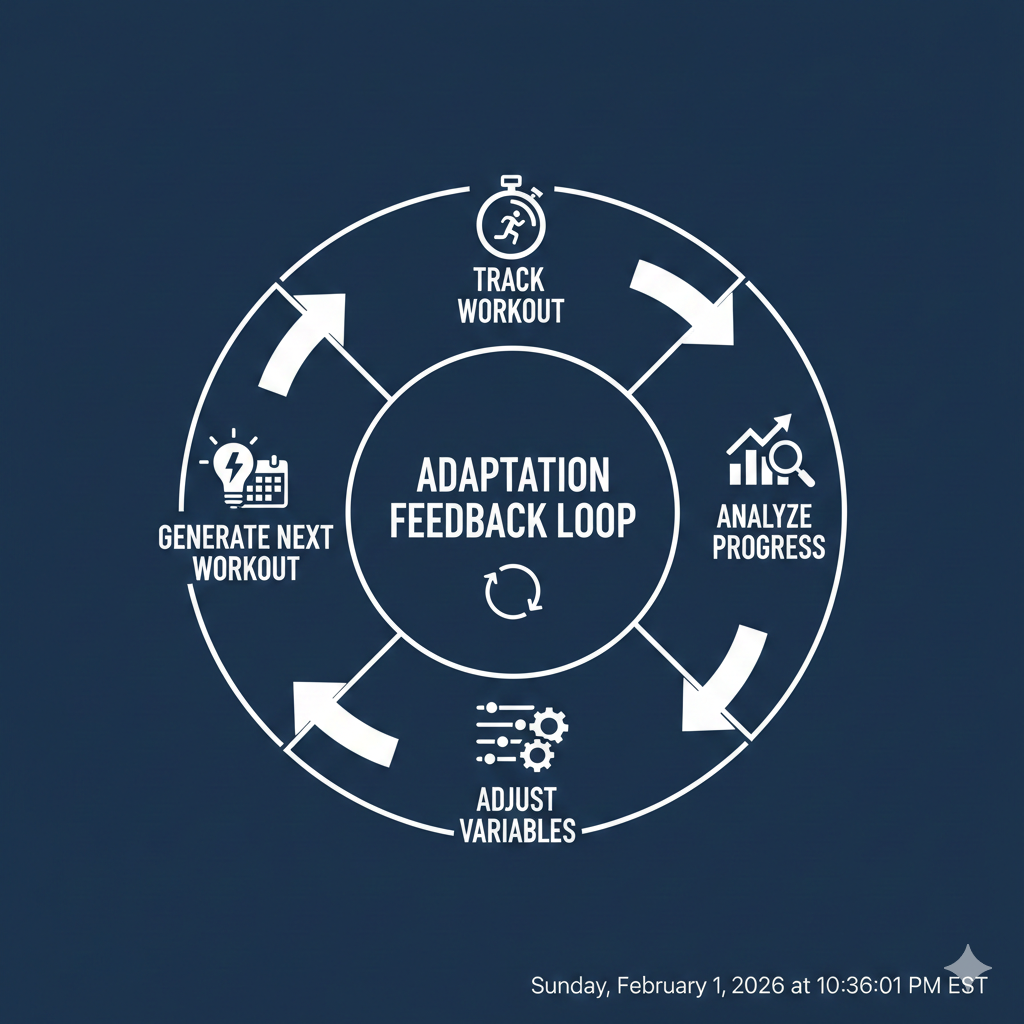
- Learn from feedback - ML personalization improves recommendations over time
- Keep it interpretable - Combine rule-based scoring with ML rather than replacing it entirely
The same architectural patterns apply to other constrained recommendation problems: recipe selection with dietary restrictions, travel planning with budget limits, or course scheduling with prerequisite chains. The key is separating hard constraints from soft preferences and building systems that respect both.
Resources
- Scikit-Learn Gradient Boosting Documentation
- PostgreSQL Array Types - Useful for storing muscle groups
- Constraint Satisfaction Problems - Theoretical foundation